Arikah, le complice des agences immobilières à Lyon
Le support www.arikah.net permet à des potentiels acquéreurs de consulter les 265 mandats pour acheter une maison ou un appartement à Lyon dans le Rhône. Avec Arikah Lyon, surfez sur le site pour découvrir les coup de coeur et de acquérir le bien rhodanien que vous avez toujours souhaité pour vivre au pied des Alpes. Pour les sept prochains jours, les primo-accédants auront la possibilité de naviguer librement sur le portail immobilier pour y visionner les 15 offres pour acheter une maison rhodanienne, 210 biens pour acheter un appartement lyonnais et pour terminer 12 offres de biens neufs pour investir son épargne sur le marché de la pierre à Lyon et profiter de la défiscalisation immobilière. Agissant pour moult agences immobilières à Lyon comme Viagers Rochat, Campus Habitat, Carré d'Or Immobilier, Century 21 Montchat ou encore Orpi Cabinet Bellecour, Arikah annonces immobilières à Lyon vous autorise à investir dans une maison en toute sûreté. Tous les accords de vente sont avalisés avec la fiabilité d'un professionnel de l'immobilier rhodanien pour une sérénité complète du changement de propriétaire.
Effectuer votre investigation d'un logement à Lyon
Toutes les annonces immobilières à Lyon avec Arikah.net
Publiée d'hier, Viagers Rochat propose pour les cybernautes cette jolie maison à Lyon de 8 pièces et d'une surface de 135 m2 pour la valeur marchande de 460 700 euros dans la rue Baldassini du 5ème arrondissement. Pour un domicile avec un jardin, l'agence Campus Habitat dans le 3ème arrondissement a listé cette immense résidence de 80 m2 rue Impasse Tavernier à un prix FAI de 325 000 €. Autre possibilité rue Place Gensoul dans le 1er arrondissement, ce somptueux appartement à 268 000 euros hors frais de notaire, à qui l'annonce immobilière est la propriété de Century 21 Montchat, est composé de 6 pièces avec un garage. Alternativement, cet appartement dans la base de la franchise Orpi Cabinet Bellecour à 288 000 € saura convaincre les plus dubitatifs à investir dans la rue Rue Masaryk dans le 9ème. Suivez en direct toutes les offres dans le Rhône (69) en compagnie des agences immobilières à Lyon sur Arikah.net.

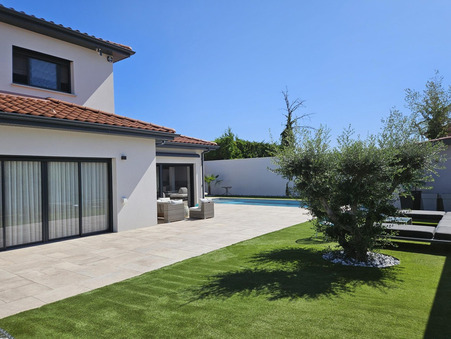 en exclusivite - maison exceptionnelle[...]
 lyon 8 proche parilly : dans un secteur[...]
 venez découvrir une maison des années[...]